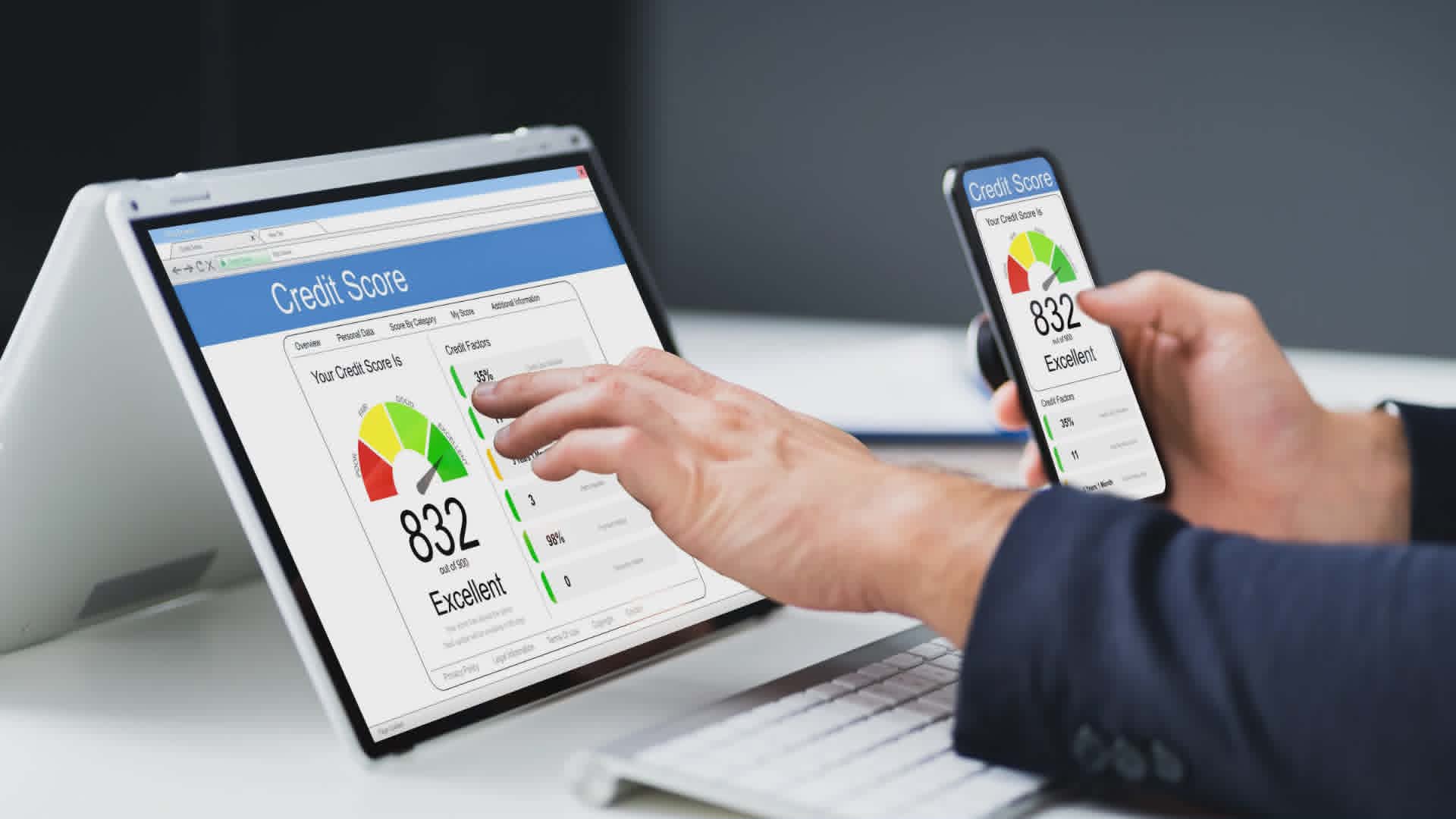
The fastest way to get a free business credit report is to create a free Ruproa account. The account is free forever: you get your dashboard and a company profile built on your EIN, with no SSN and no card. Pulling your live bureau file is the paid step. Starter is $19 a month for your live Creditsafe report and score, and Professional is $49 a month for both Creditsafe and Equifax Business. Setup takes just a few minutes.
Note: Ruproa is not affiliated with Dun & Bradstreet, does not supply Paydex scores or D-U-N-S numbers, and does not report to them. You register for a D-U-N-S number with D&B directly, and it is free. Ruproa reads and reports to Creditsafe and Equifax Business.
If you have never checked your business credit before, you are not behind. Most small business owners have not either. Here is what to expect once you do.
What's in a Free Business Credit Report?
A free business credit report gives you a summary of how your business handles credit, built from data the bureaus collect on your behalf. Depending on the bureau, your report typically includes your business identification details (legal name, address, EIN, DUNS number), active tradelines and payment history, your credit score or risk rating, credit inquiries, and any public records like liens or judgments.
Unlike personal credit reports, business credit reports are not covered by the same federal disclosure rules, and different bureaus can show different information depending on which vendors and lenders report to them. That is one of the main reasons it helps to check more than one bureau rather than relying on a single score.
How to Access Your Free Report
There are two ways to get a look at your business credit without paying: a free Ruproa account, which gives you the dashboard, your company profile and the education, or a free tier directly from one bureau if you only need a directional read on that bureau.
Through Ruproa
Getting your free business credit report takes three steps: register your business as a legal entity if you have not already, add your EIN or Employer Identification Number and basic business details to your Ruproa account, and connect your profile so Ruproa can pull your scores. From there, on a paid plan, your Creditsafe and Equifax Business profiles show up in one dashboard automatically, with more bureaus on the way and no manual downloads or bureau logins required.
Directly from Dun & Bradstreet
You can also get a free summary snapshot directly from Dun & Bradstreet's Credit Insights Free tier if you only want a directional read on one bureau. It gives you alerts on changes to your Paydex, Delinquency, Failure, and Supplier Evaluation Risk scores, along with a payment history summary, but it will not show your exact Paydex number, since that detail sits behind D&B's paid tiers. The advantage of checking through Ruproa is seeing your full Creditsafe and Equifax Business scores side by side, not a partial view of one. Ruproa does not supply Paydex scores or report to D&B.
Create your free Ruproa account to see your scores today.
What Your Report Means
Each bureau scores your business a little differently.
D&B Paydex Score
D&B's Paydex score runs from 1 to 100 and is based entirely on how promptly you pay vendors who report to them. A score of 80 means you pay on the agreed terms, and scores above 80 mean you tend to pay early.
Equifax Business Score
Equifax Business looks at a broader mix of payment history, account balances, and credit history length to produce a payment index and risk score.
CreditSafe Score
CreditSafe uses its own 0 to 100 risk scale, with a higher score indicating lower credit risk.
Important Note: None of these scores exist until your business has active, reporting credit accounts. If your report comes back mostly empty, that is not a red flag. It usually means it is time to open a few reporting accounts and start building a payment history the bureaus can measure.
How to Read Your Business Credit Report
Start with the basics: confirm your business name, address, and EIN are listed correctly, since even small mismatches can cause bureaus to split your file into more than one profile. Next, look at your active tradelines and check that the payment history shown matches what actually happened. Then check for any inquiries or public records you do not recognize.
If everything checks out, great, that is confirmation your profile is accurate and building the way it should. For a deeper look at how scoring actually works, see our guide on what makes up a business credit score.
What to Do If You Find Errors
Errors happen more often than most business owners expect: a payment that never posted, a tradeline linked to the wrong entity, or a business with a similar name mixed in with yours. These mistakes can quietly affect your funding eligibility, sometimes without any notice. If you spot something on your report that looks wrong, here is exactly how to dispute it with D&B, Equifax Business, and CreditSafe.
The sooner an error is caught, the sooner it can be corrected, which is exactly why checking your report regularly matters as much as checking it for the first time.
Frequently Asked Questions
Here are quick answers to the questions we hear most from business owners checking their credit for the first time.
How do I get a free business credit report?
Create a free Ruproa account with your EIN and basic business details. The dashboard and your company profile are free forever. Once your business is verified and you are on a paid plan, your Creditsafe and Equifax Business profiles appear in your dashboard.
Can I check my business credit score for free?
A Ruproa account is free forever and needs no SSN and no card: it gives you the dashboard, your company profile and the education. Your live bureau report and score are the paid unlock, starting at $19 a month.
What is included in a business credit report?
Your business identification details, active tradelines and payment history, your credit score or risk rating from each bureau, credit inquiries, and any public records such as liens or judgments.
How often should I check my business credit report?
At least once a month. Ruproa's Auto Reporting updates your profile every month, so checking in monthly is enough to catch changes or errors early, without it becoming a chore.
Is my business credit report accurate?
Usually, but not always. Bureaus rely on data reported by vendors and lenders, and mismatched business information or reporting delays can create errors. Regular monitoring is the best way to confirm your report reflects reality and catch anything that does not.
Start Checking Your Credit with Ruproa
Checking your business credit for the first time doesn't have to mean piecing together information from three different bureau logins. Once you know what's in your report, what each score actually measures, and how to catch an error before it costs you a loan or a vendor deal, staying on top of it becomes a monthly habit instead of a mystery. The businesses that build the strongest profiles are usually the ones that started watching early, not the ones with the most complicated finances.